
Coming Home Is Not the Same as Healing
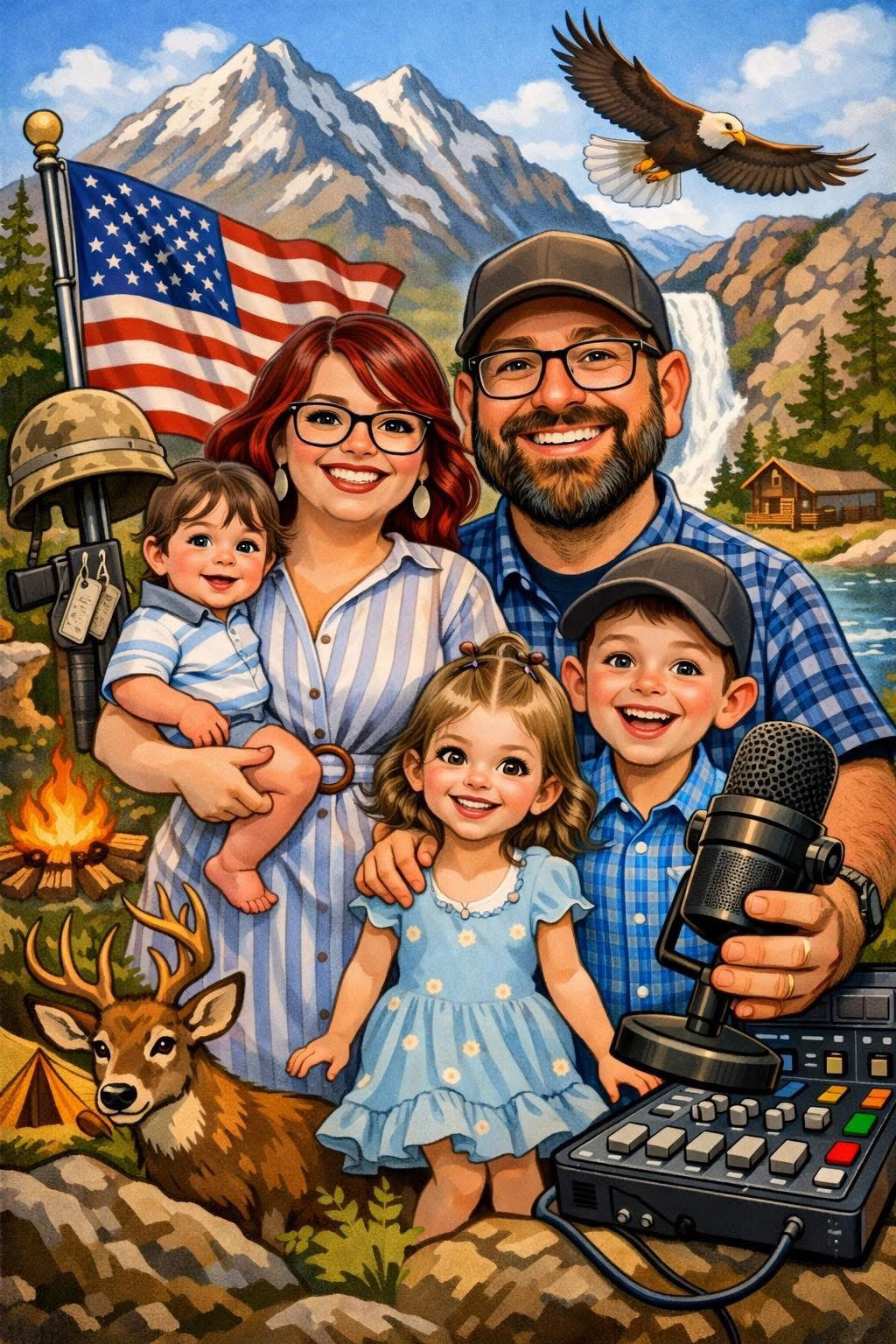
After the Revolutionary War in the late 1700s, the United States acquired portions of what would later become Montana through the 1803 Louisiana Purchase. Not long after, America expanded west. Montana has always been a place people came to when they wanted to start over. Long before it became an official state in 1889, it was a proving ground first for Lewis and Clark, then for homesteaders, miners, railroad workers, loggers, ranch hands, and later veterans coming home from wars that reshaped their sense of who they were.
Reinvention and endurance are deeply woven into the history and lore of Montana and into the story of the United States itself. What often goes unspoken is the space between those two ideas, the stretch of uncertainty where people no longer know who they are and are unsure of the path forward.
I see that space every day in my work with homeless and at-risk veterans in Montana. I also recognize it because I lived it.
I served in the U.S. Army with the 3rd Infantry Division, including a tour in Iraq. Like many veterans, I came home carrying more than I left with. I was separated from the Army shortly after returning home because I had become what I now understand was a problem child. I received a General, Under Honorable Conditions discharge for a pattern of misconduct. At the time, there were no real questions about PTSD, and even if there had been, I would not have answered them honestly.
Any time mental health came up, my response was automatic and unexamined. Everything is fine. Nothing is wrong. We were almost trained to answer that way. Anything else felt like it would stain not just our record, but who we were as people.
The ten years after leaving the Army were marked by an upward and downward spiral. In the early years, I could not hold down a job and barely kept a roof over my head. I had cars repossessed, debt piling up, and a career going nowhere. Eventually, I started driving trucks. At the time, it felt perfect. Alone in a vehicle. No one to answer to but myself. I was making good money, and on the surface, life looked good.
But it was not.
My son’s mother left me. I burned nearly every relationship I had. The only thing I cared about was watching the white line on the highway roll by and letting my life pass with it.
In 2019, I moved to Montana, leaving everything I knew behind, including my son. In 2020, I married my wife. She is the reason I now have a better understanding of PTSD and why I am the way I am. Not long after we were married, things came to a head. That was when the VA helped save both my life and my marriage.
That period forced me to slow down and take an honest look at what had actually happened to me and what I had been avoiding for years. For a long time, I thought survival meant keeping moving and not stopping long enough to feel anything. What I eventually learned is that survival and stability are not the same thing. You can be alive, paying bills, and technically functioning while everything underneath is still broken.
That understanding shapes how I see veterans today.
In my current role as a Supportive Services for Veteran Families Service Coordinator with Volunteers of America, I work with veterans who are either homeless or on the edge of becoming homeless. Some are sleeping in vehicles. Some are bouncing between motels paid week to week. Some are one missed paycheck or one bad decision away from losing what little stability they have left. On paper, their situations look different. In reality, the patterns are familiar.
Many of the veterans I work with are not incapable. They are not lazy. They are not unwilling to work. They are exhausted. They are carrying trauma, shame, and years of untreated stress while trying to navigate a housing market that is unforgiving even for people without those burdens. Asking for help feels like failure to them. Often, they wait until things are already collapsing before they reach out.
SSVF is designed to meet veterans in that moment. It is short-term, targeted support meant to stabilize housing quickly and prevent a temporary crisis from becoming a permanent one. Sometimes that means help with a security deposit or rent. Other times it involves utilities, transportation, or case management that helps untangle problems that piled up faster than one person could reasonably manage alone. The goal is not to fix someone’s life. It is to give them enough solid ground to stand on so they can start fixing it themselves.
But housing alone is not the whole answer.
That is where my work with Check A Vet comes in. Through Check A Vet, I am involved in community outreach, peer connection, and storytelling focused on veteran and first responder suicide prevention. The work looks different than SSVF, but the foundation is the same. Isolation kills. Connection saves lives. Most veterans do not wake up one morning and decide they are done. They drift there slowly, often quietly, convinced they are a burden or that no one would understand what they are carrying.
Check A Vet exists to interrupt that isolation before it becomes fatal. It creates space for veterans to be seen, to be heard, and to realize they are not alone in what they are experiencing. Suicide prevention does not start in an emergency room or a hotline call. It starts with relationships, trust, and someone checking in before things reach the breaking point.
What I have learned through both roles is that homelessness and suicide prevention are deeply connected. Housing instability strips people of routine, dignity, and a sense of future. Trauma makes it harder to ask for help. Isolation convinces people they should handle it on their own. When those factors overlap, the risk increases, not always loudly, but steadily.
Montana magnifies these realities. The distances are long. Services can be hard to reach. The culture still prizes self-reliance, sometimes at the expense of asking for support. Veterans come here looking for space and quiet, hoping a fresh start will be enough. For some, it is. For others, the silence makes things worse.
I see veterans every day who remind me of earlier versions of myself. Not because our stories are identical, but because the patterns are. The avoidance. The pride. The belief that asking for help means you have failed. The slow erosion of stability that happens when trauma goes unaddressed and support never quite shows up in time.
The work I do now, through both Volunteers of America and Check A Vet, is about closing that gap. Not with slogans or quick fixes, but with practical support and human connection. A place to live. Someone to walk alongside you. A reminder that being in transition does not mean you are broken.
Montana has always been a place defined by transition, between territories and statehood, between boom and bust, between isolation and community. People have come here for generations believing that if they worked hard enough, endured long enough, or stayed quiet long enough, things would eventually work themselves out. Sometimes they did. Sometimes they did not.
Veterans were never separate from that history. They mined the same hills, rode out the same winters, worked the same land, and lived through the same economic swings as everyone else. The difference was that many carried home wounds that could not be seen, and for a long time there was no language for those wounds, only expectations to push through them.
That pattern did not end with earlier wars. It followed veterans home from Vietnam. It followed them back from Iraq and Afghanistan. Each generation returns changed, and each generation is met with the same quiet assumption that time alone will fix what war reshaped. History tells us otherwise.
What is happening in Montana is not unique. It is a clearer reflection of what plays out in rural and underserved communities across the country. The distances are longer here, the winters harsher, the margins thinner, but the underlying reality is the same.
What is different now is that we know more. We know housing stability matters. We know isolation increases risk. We know suicide prevention is not a single moment of intervention, but a long chain of connection, support, and timing. And we know that asking for help is often hardest for the people who were trained to never need it.
Programs like SSVF exist because history has shown what happens when we wait too long. Community efforts like Check A Vet exist because survival depends on more than a roof. It depends on belonging. These are not new ideas. They are responses to old lessons that were ignored for far too long.
If Montana is going to continue selling itself as a place for new beginnings, responsibility has to come with that promise. Responsibility to the people who came back changed. Responsibility to recognize that endurance without support is not strength. It is erosion. Responsibility to make room for veterans to fall, get back up, and keep going without having to disappear first.
Coming home has never been a single moment. It is a process that requires stability, community, and time. The work of helping veterans stay housed, connected, and alive is not charity, and it is not political. It is part of an unfinished obligation that stretches back through history and forward into the choices we make now.
The space between reinvention and endurance still exists. I see it every day. The difference is that we do not have to leave people alone in it.

Comments